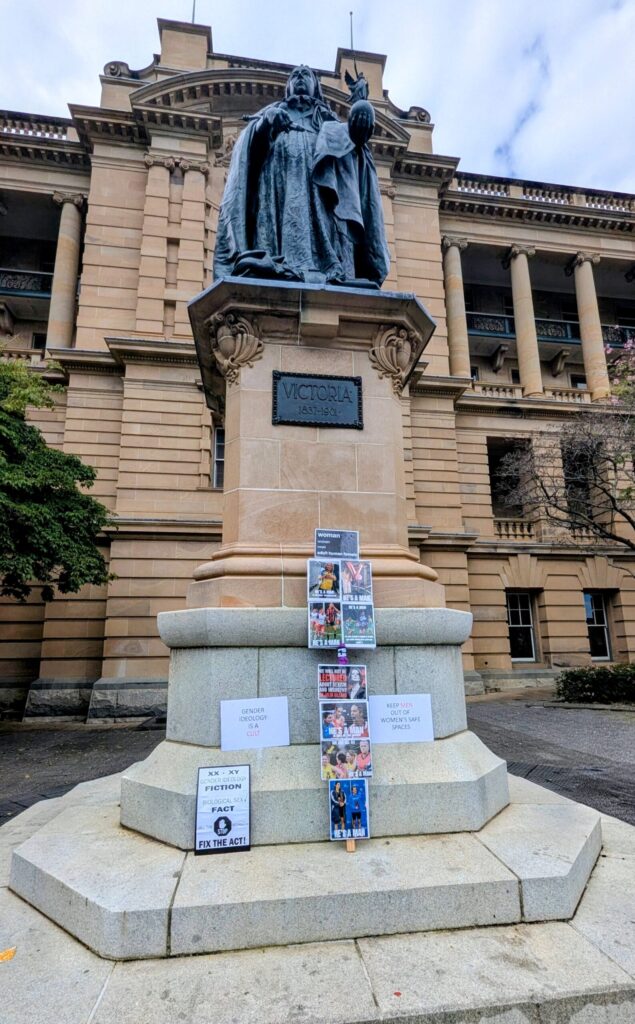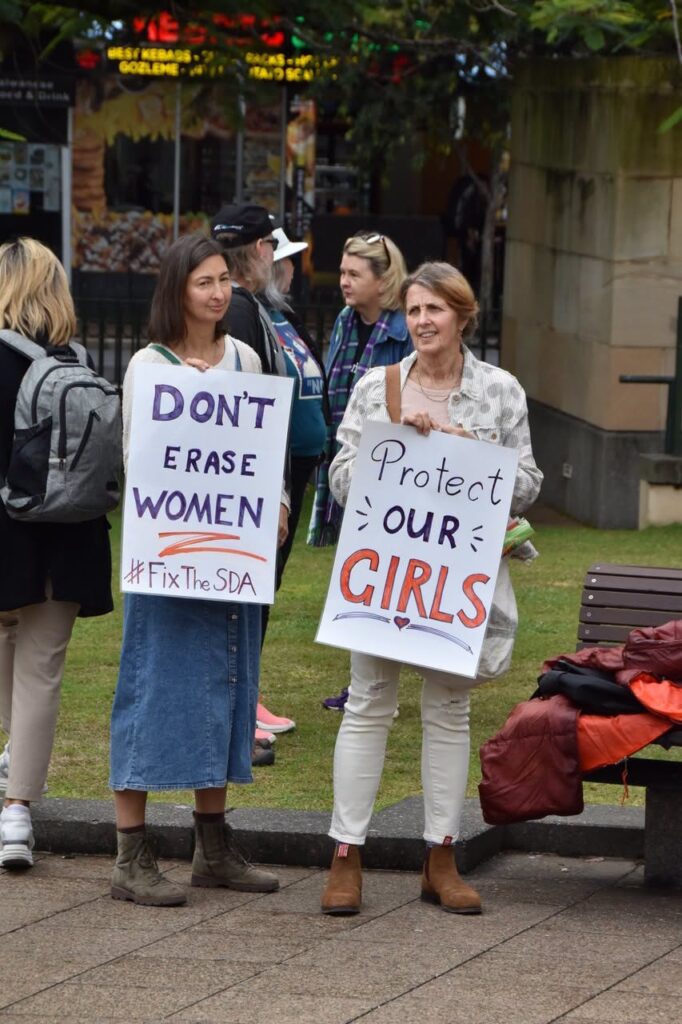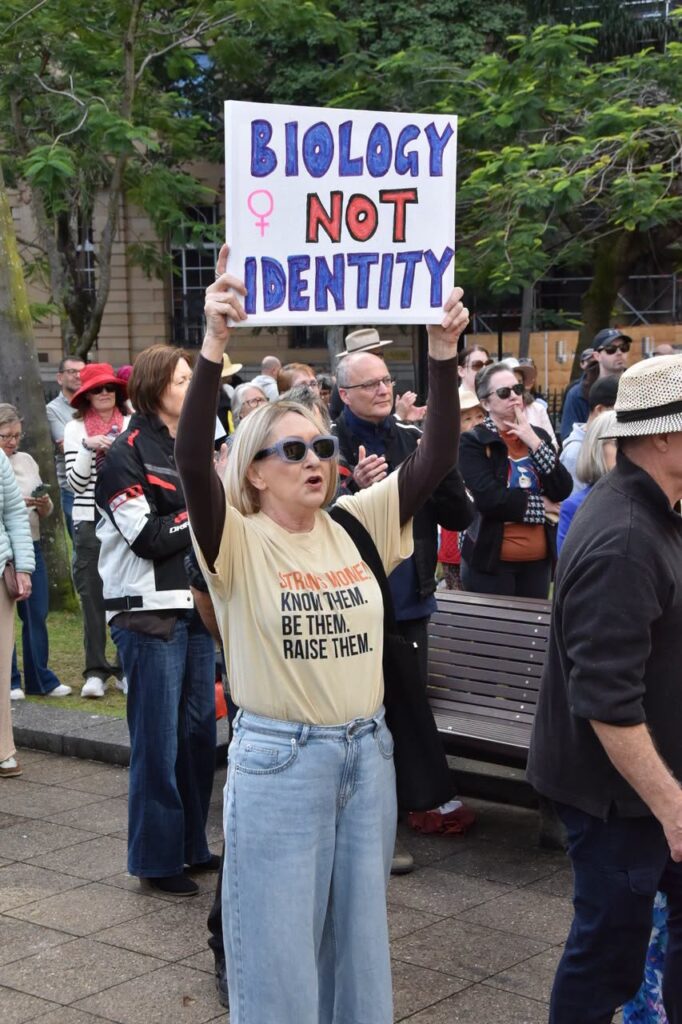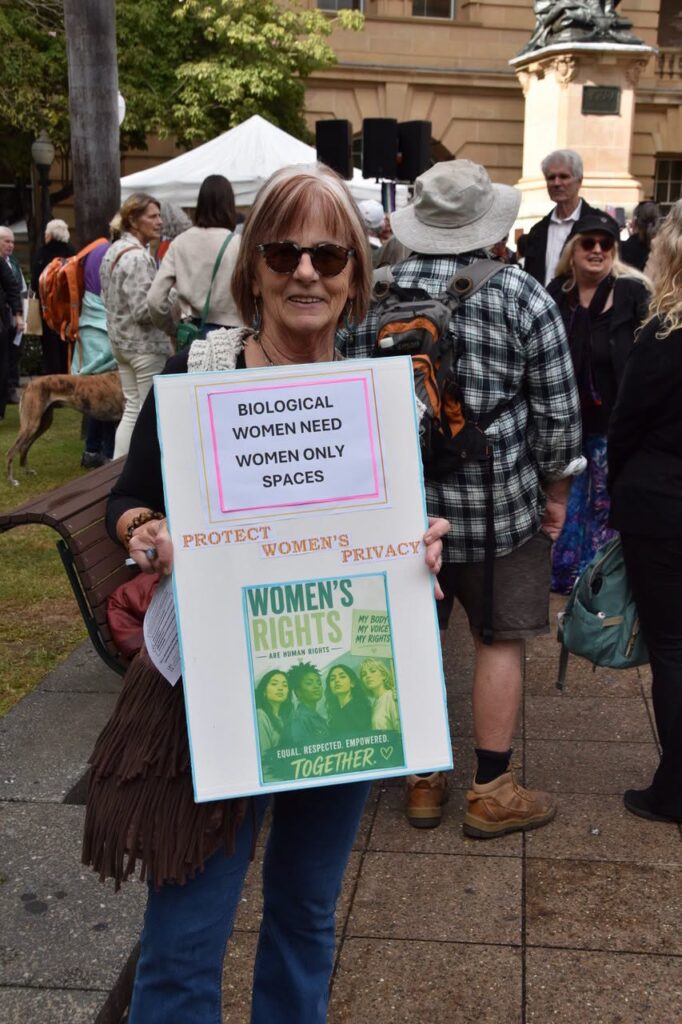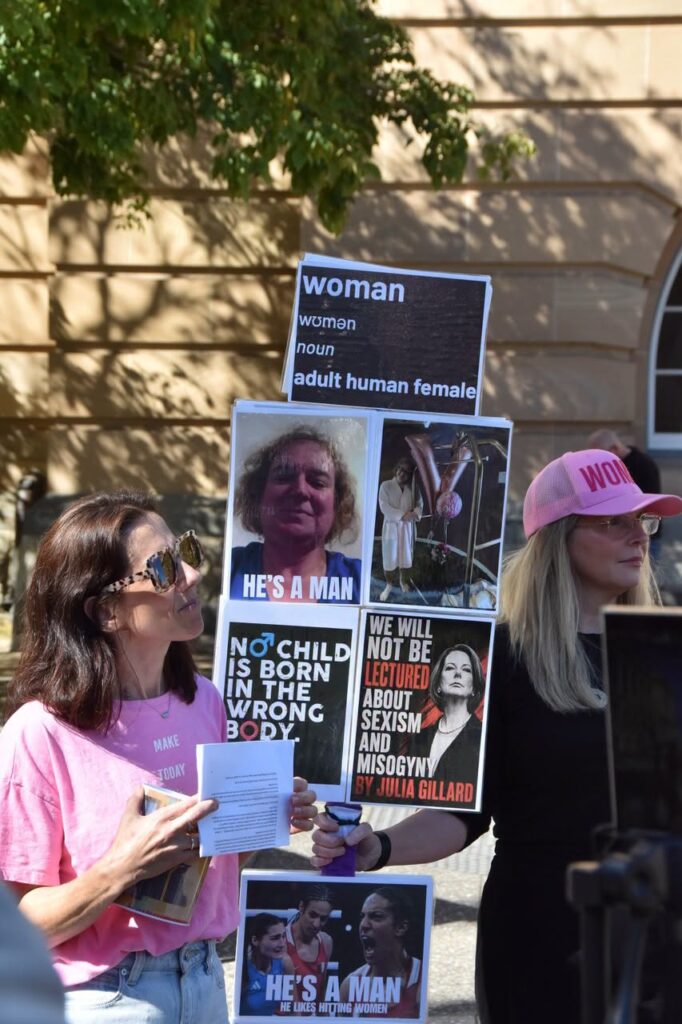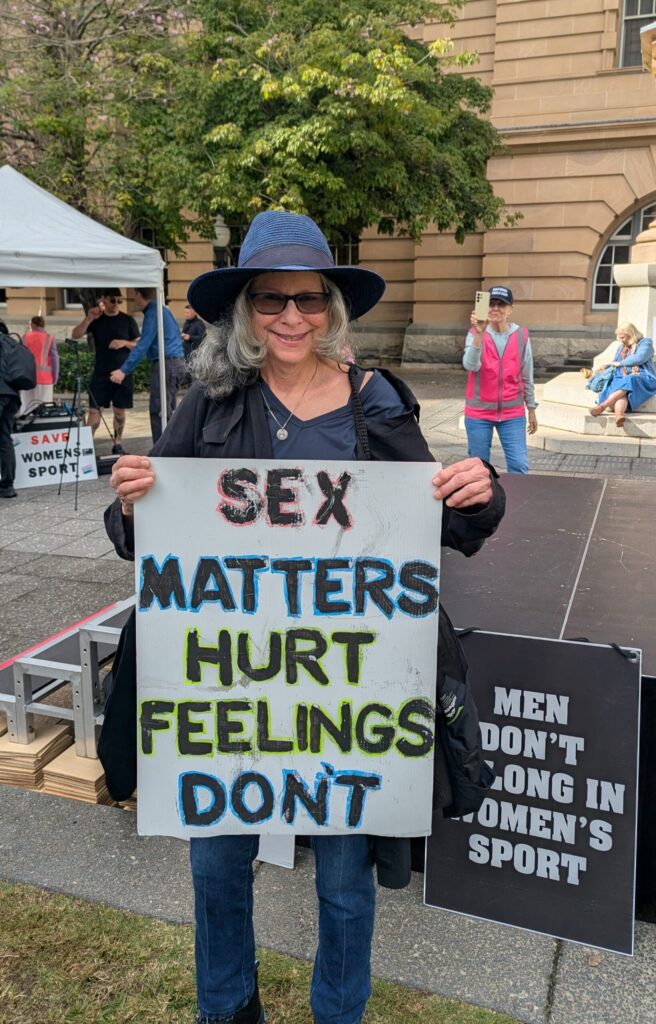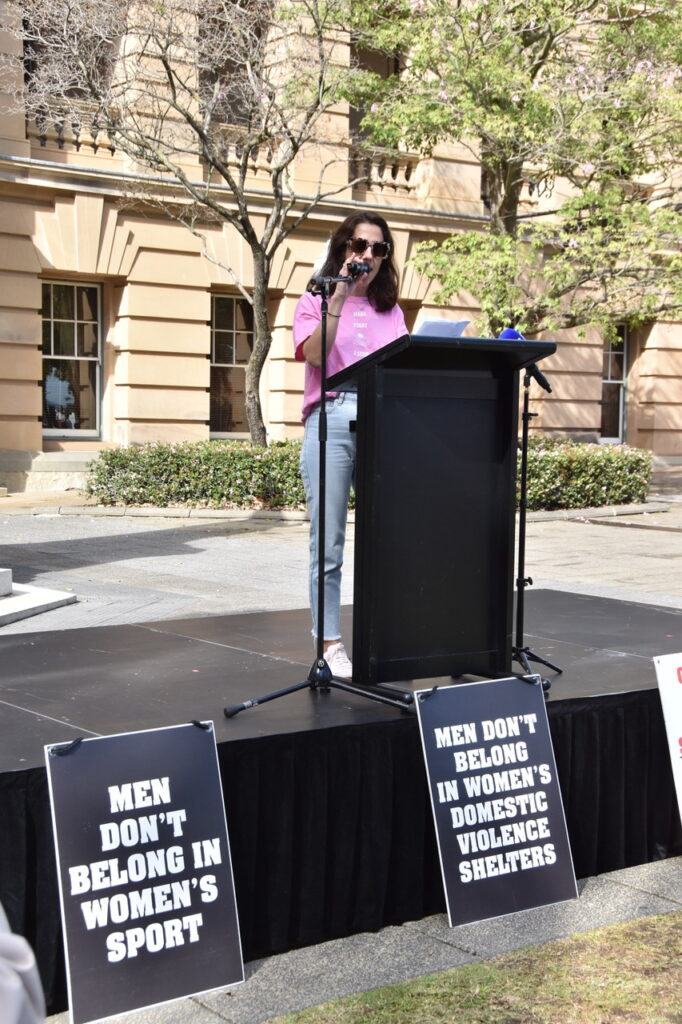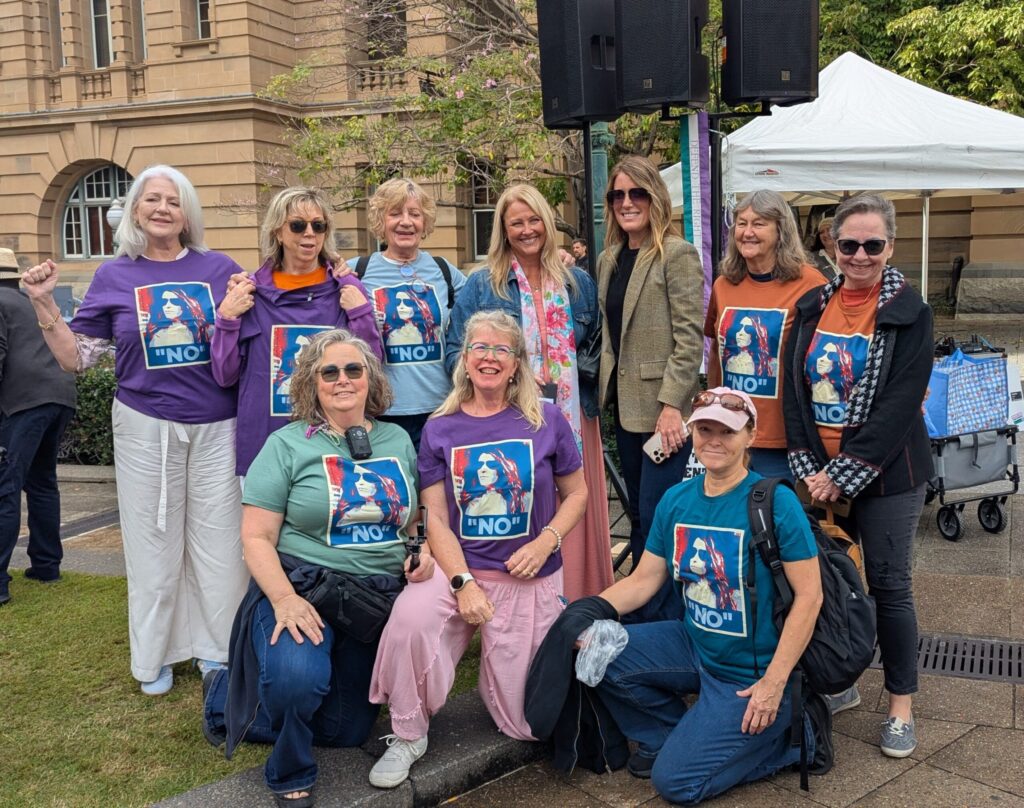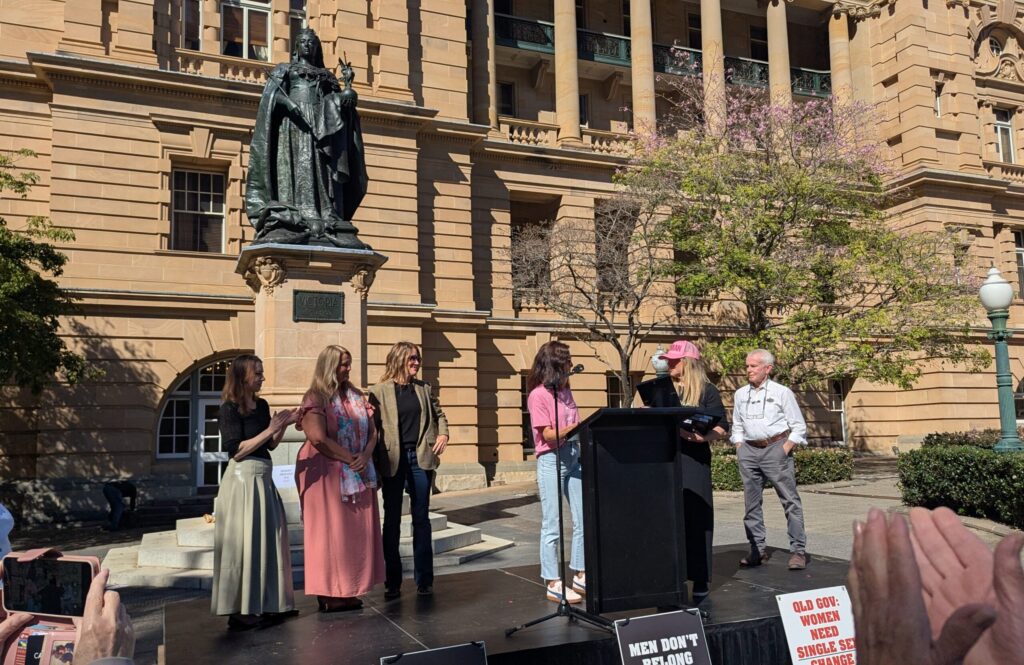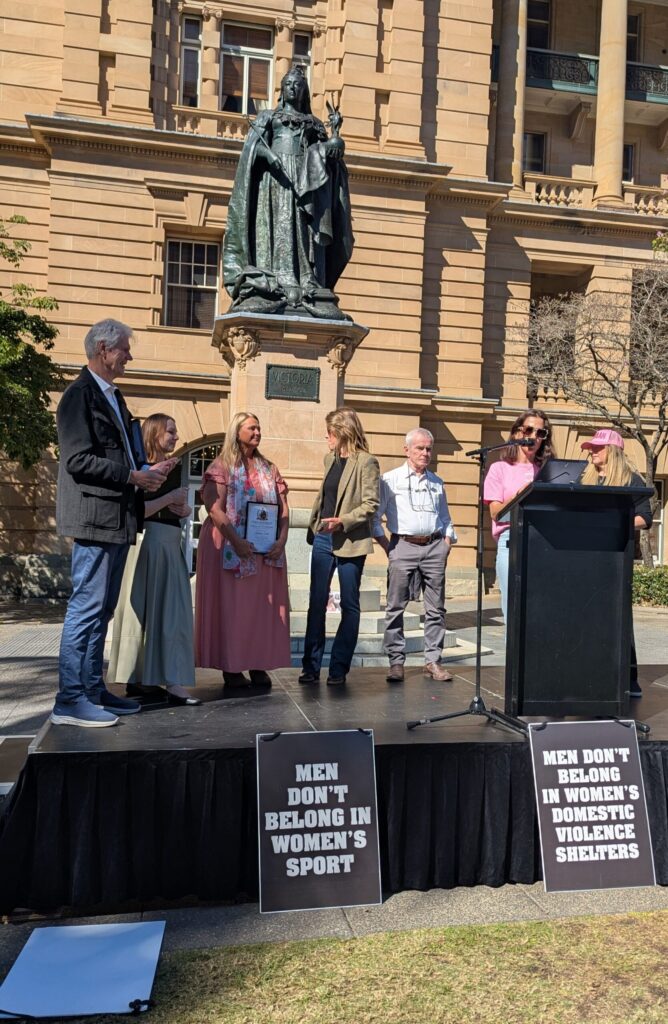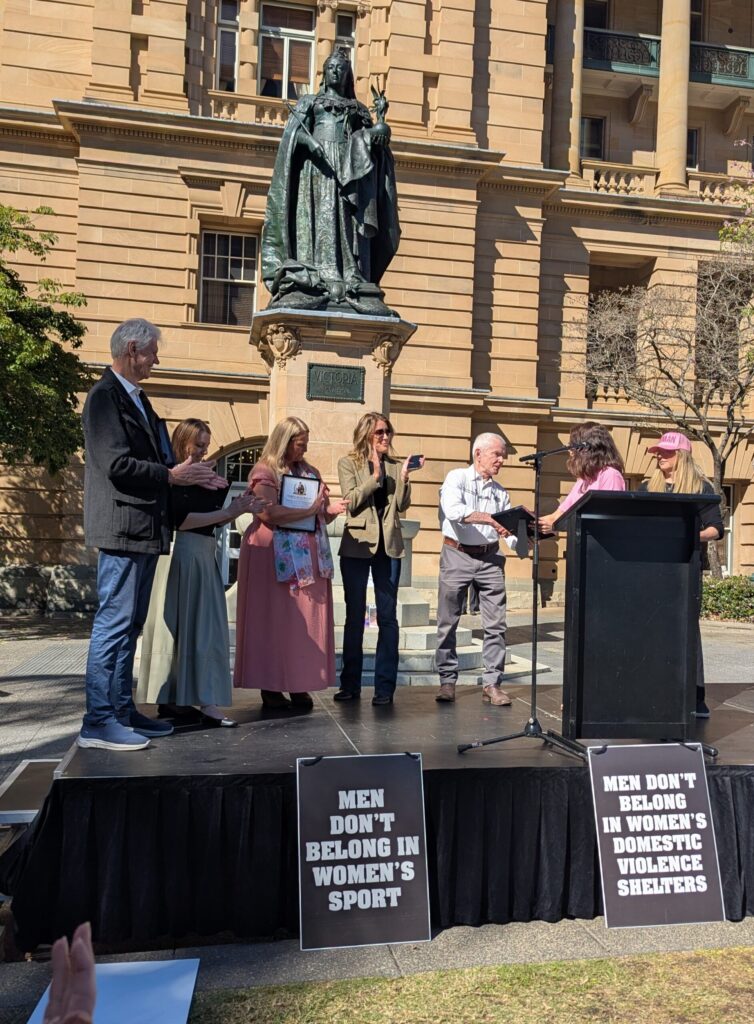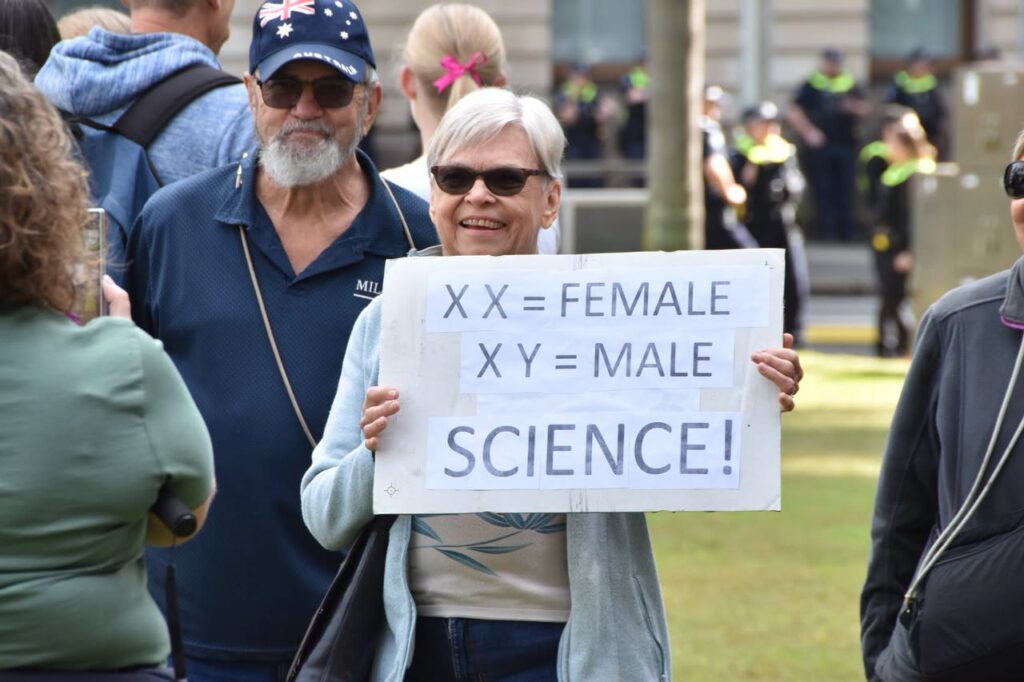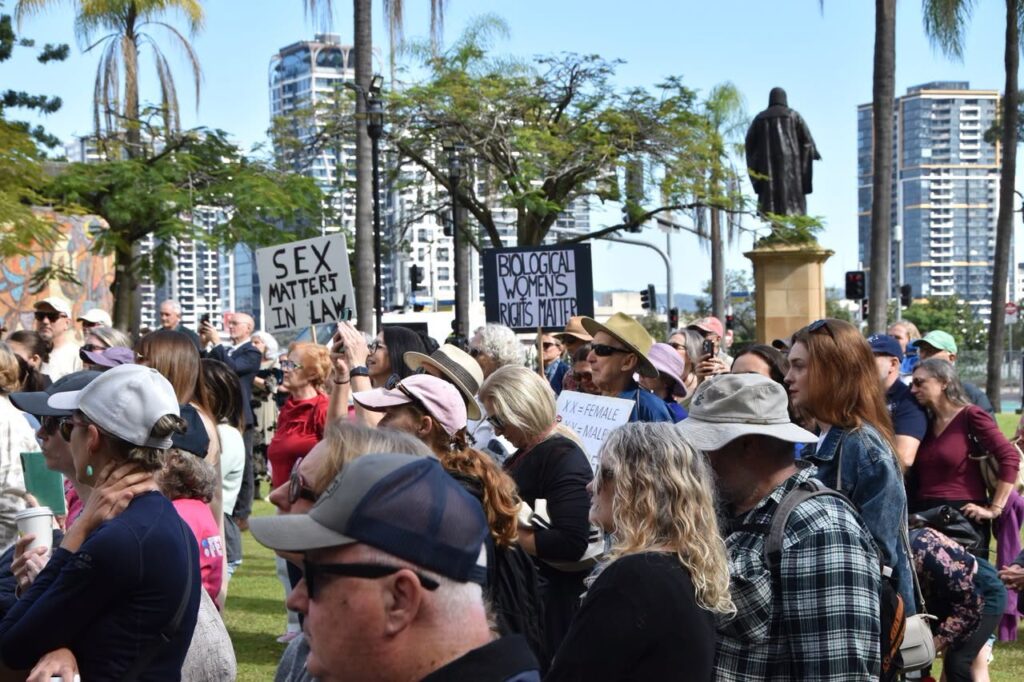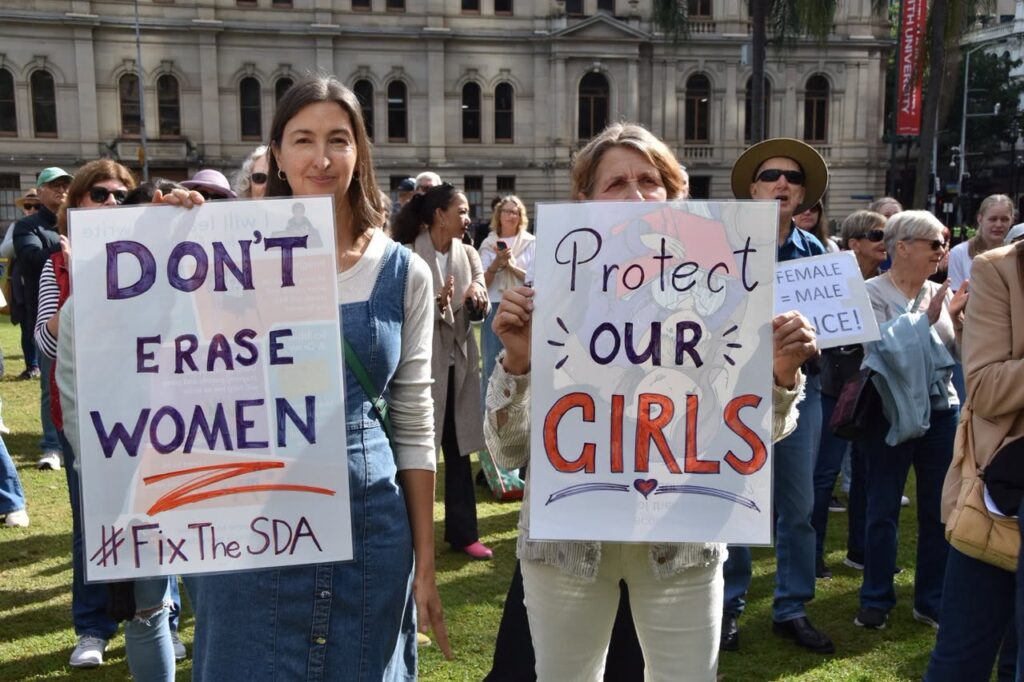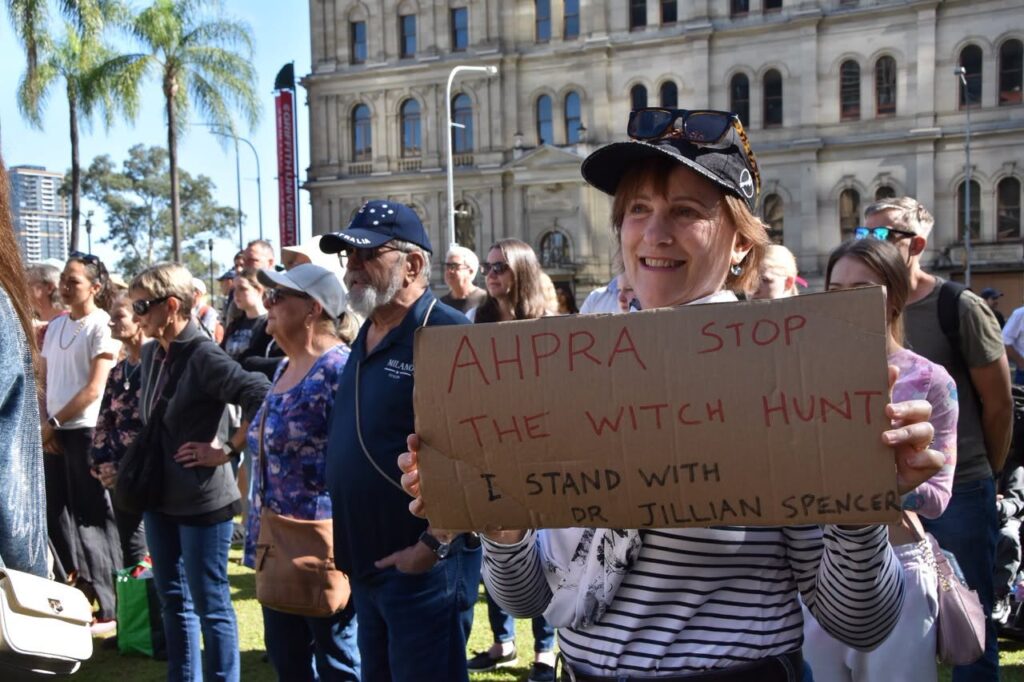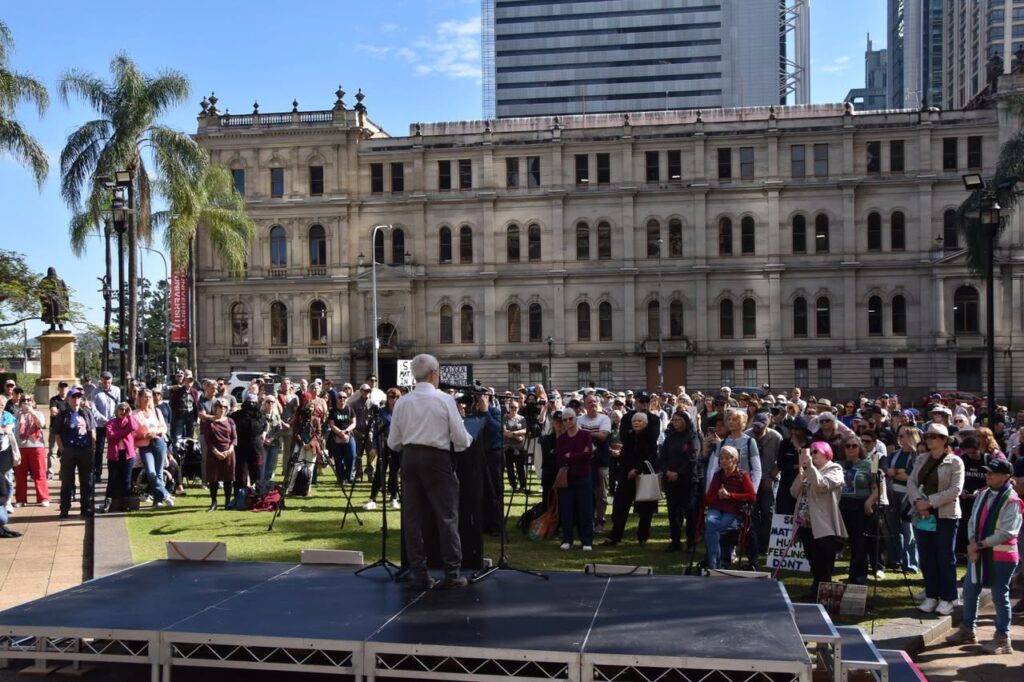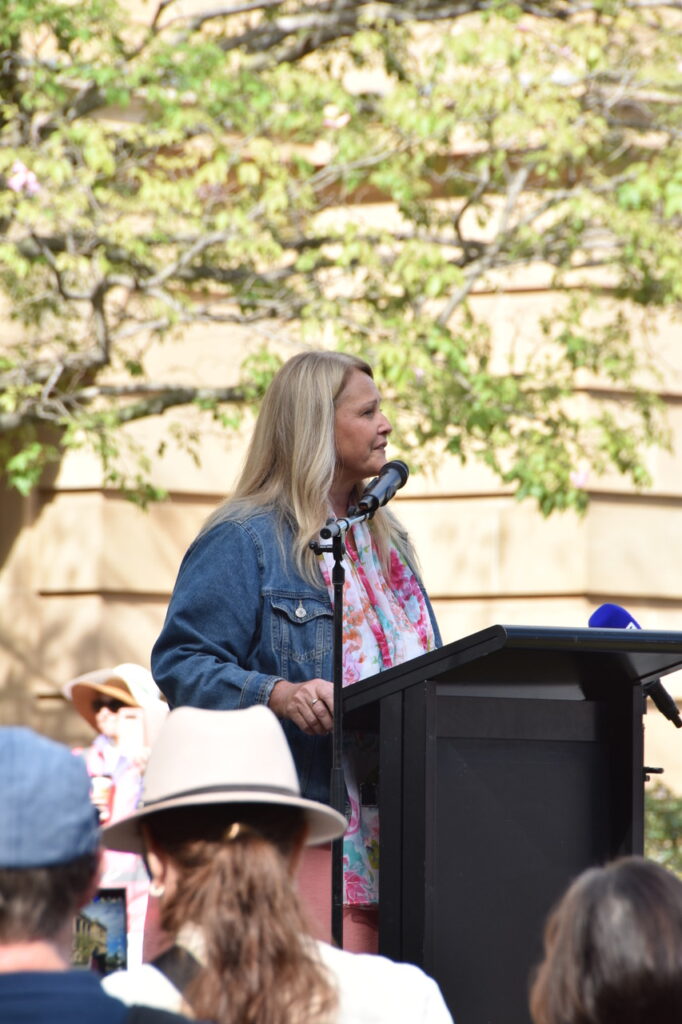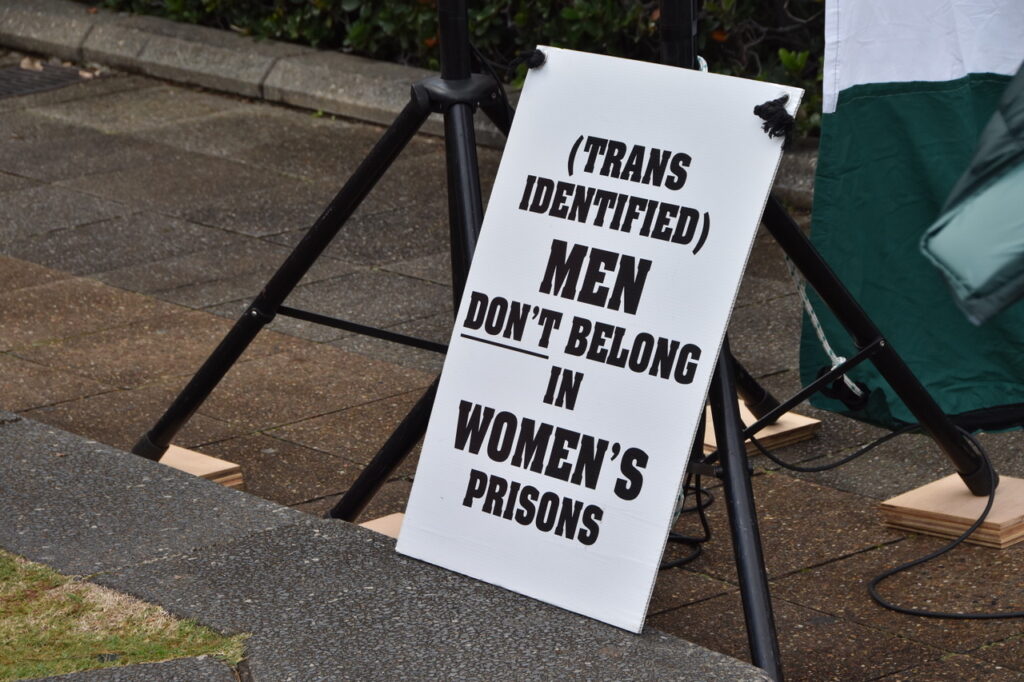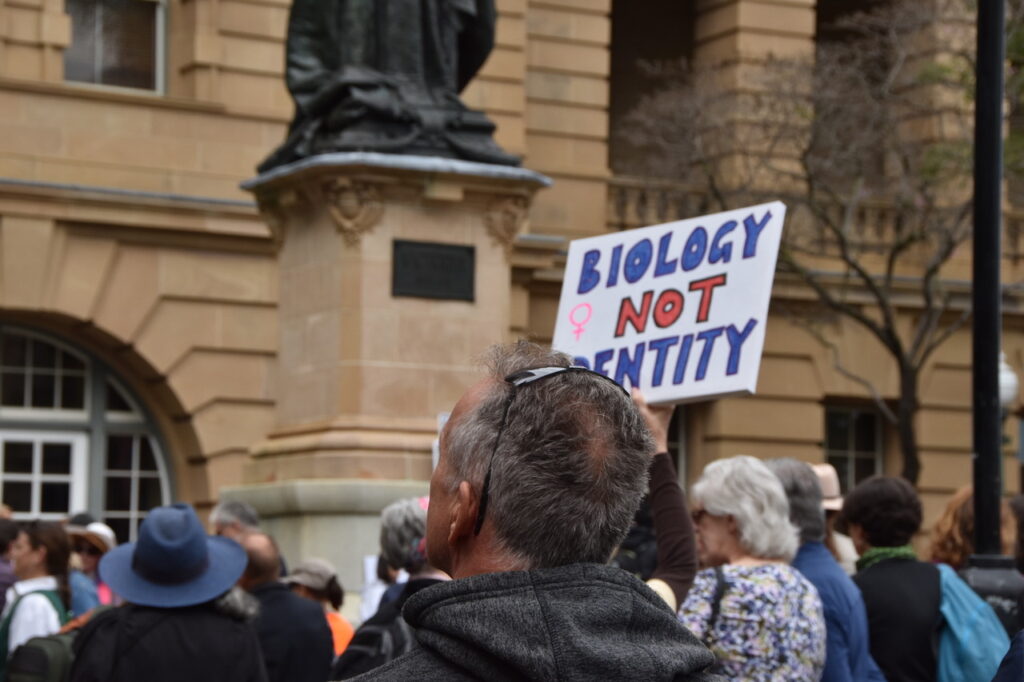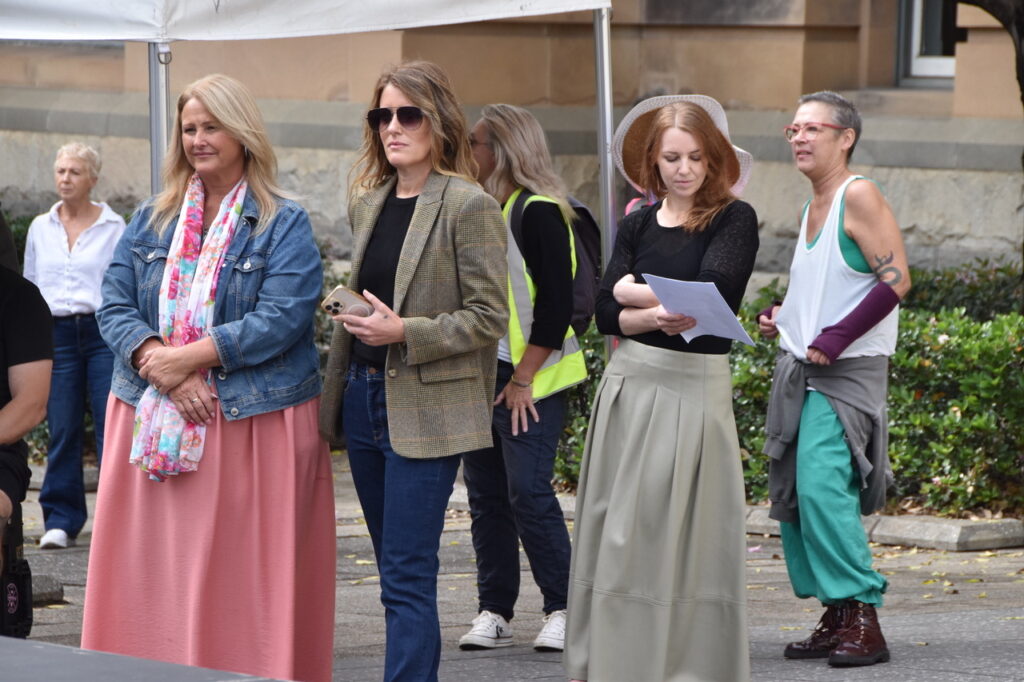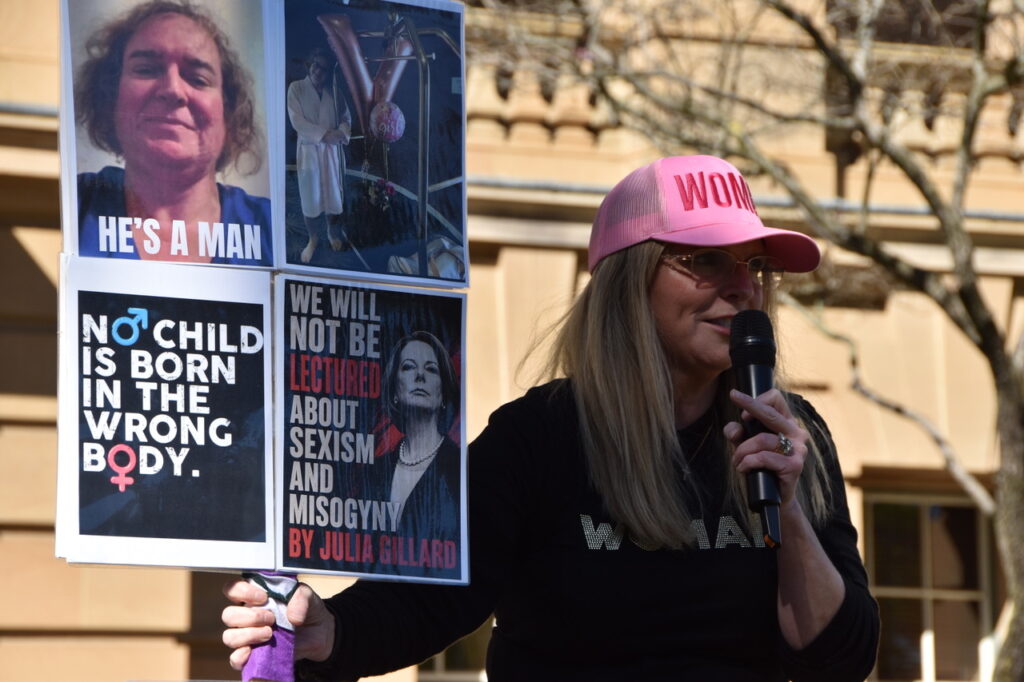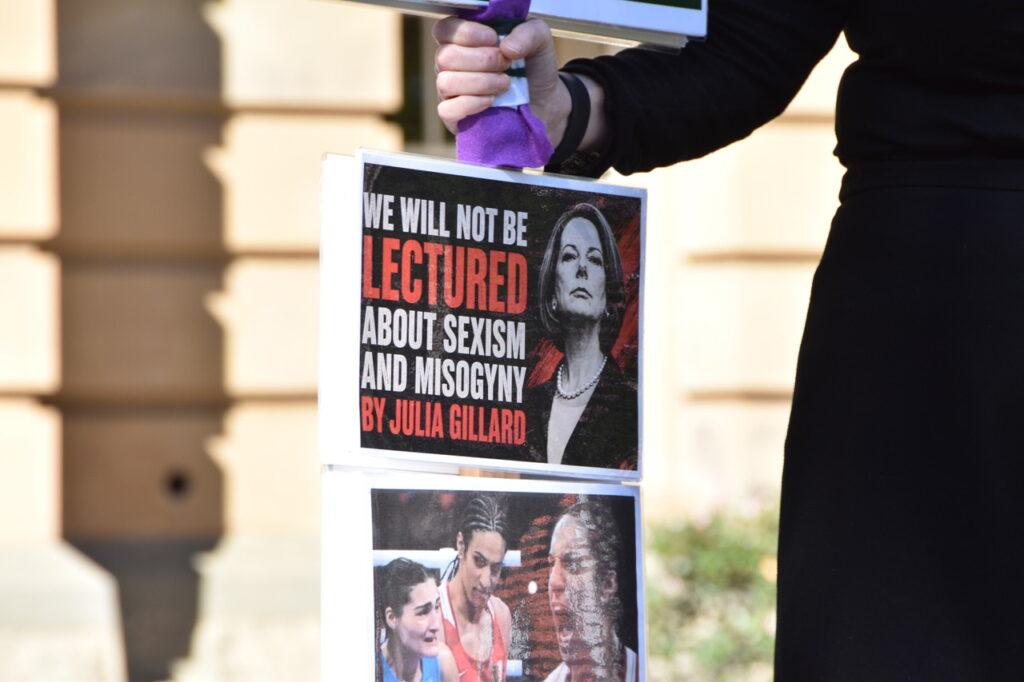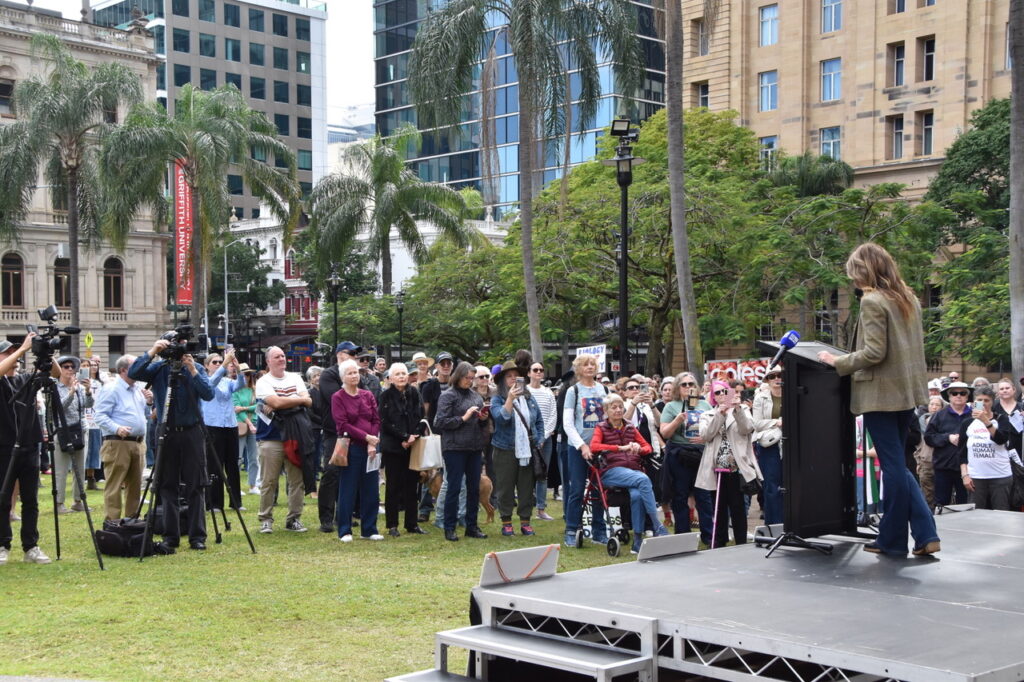
On Sunday 12 July 2026, several hundred people gathered in Queens Gardens in the heart of Brisbane for the Restore Women’s Rights – Fix the Act! rally. The event brought together women and men from across Australia concerned about the erosion of sex-based rights and the urgent need to restore clear biological definitions in Australian law.
The rally, which commenced at 10:30am, formed part of a national series of Fix the Act events, following earlier rallies in Melbourne and Perth. The Brisbane event was organised by Woman Up Queensland, a grassroots women’s organisation that hosts actions and Speakers’ Corner events across Queensland. The campaign arose in response to the Giggle v Tickle decision and growing concerns about how Australia’s Sex Discrimination Act is being interpreted. Throughout the morning, speakers addressed women’s single-sex spaces, freedom of speech, child safeguarding, women’s sport, and the importance of recognising biological reality in law.
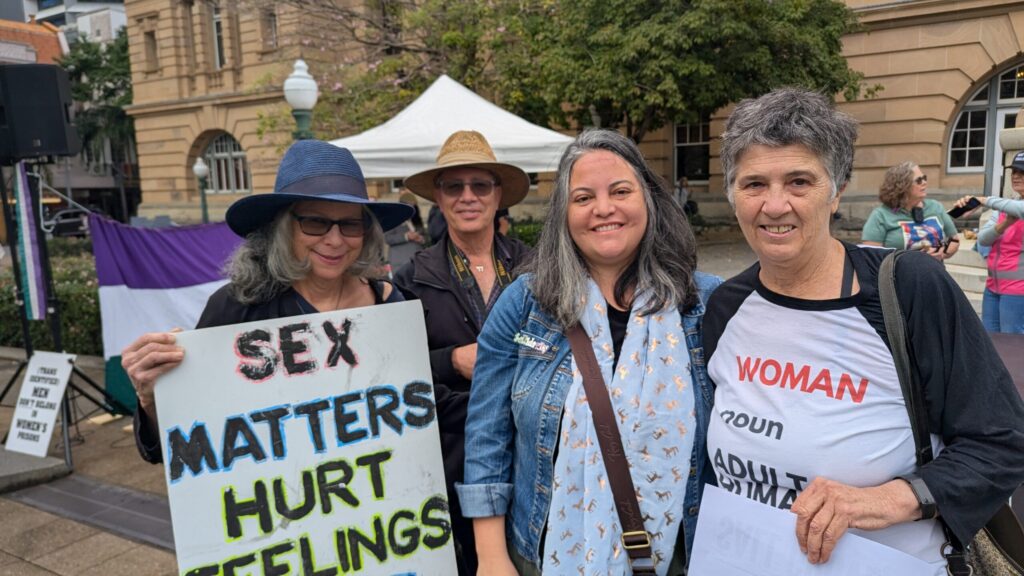
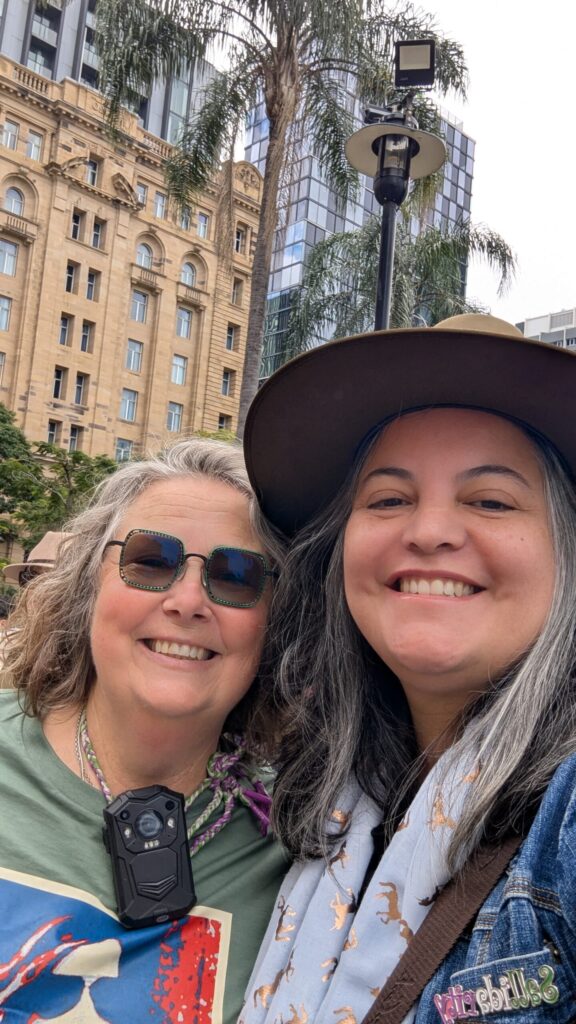
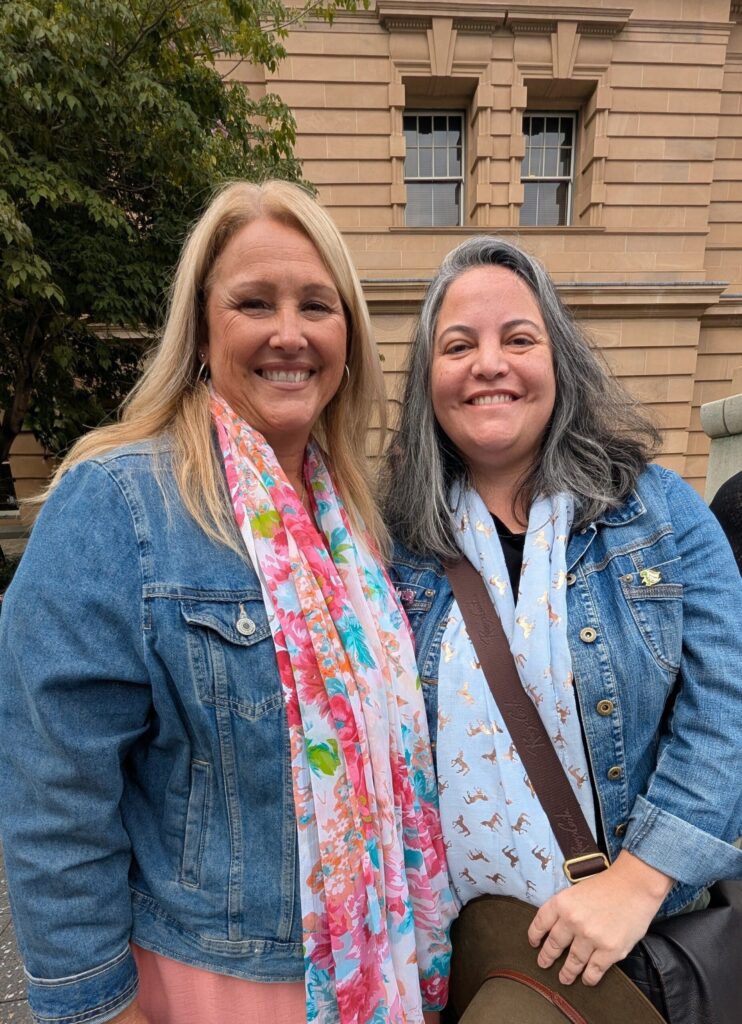
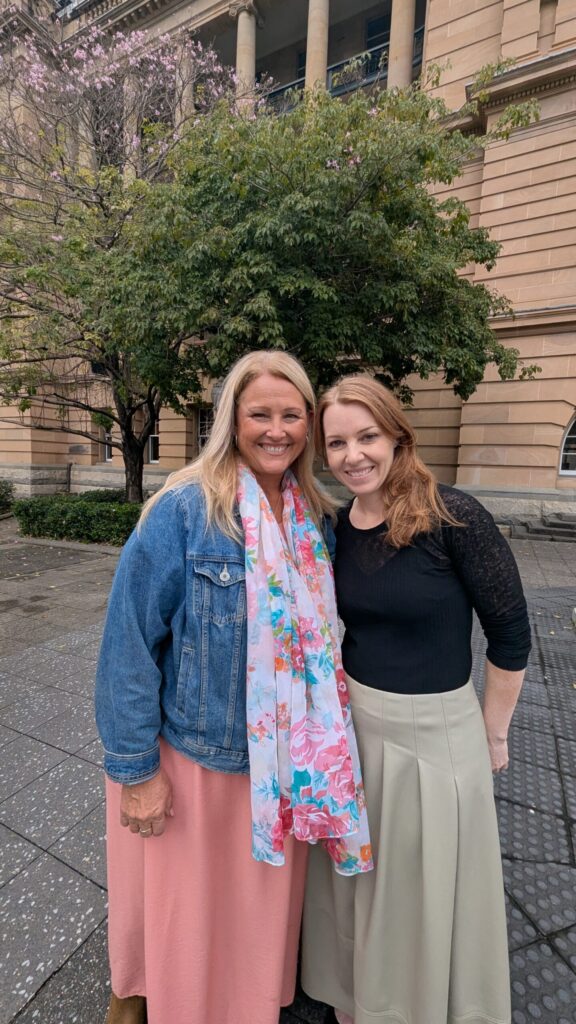
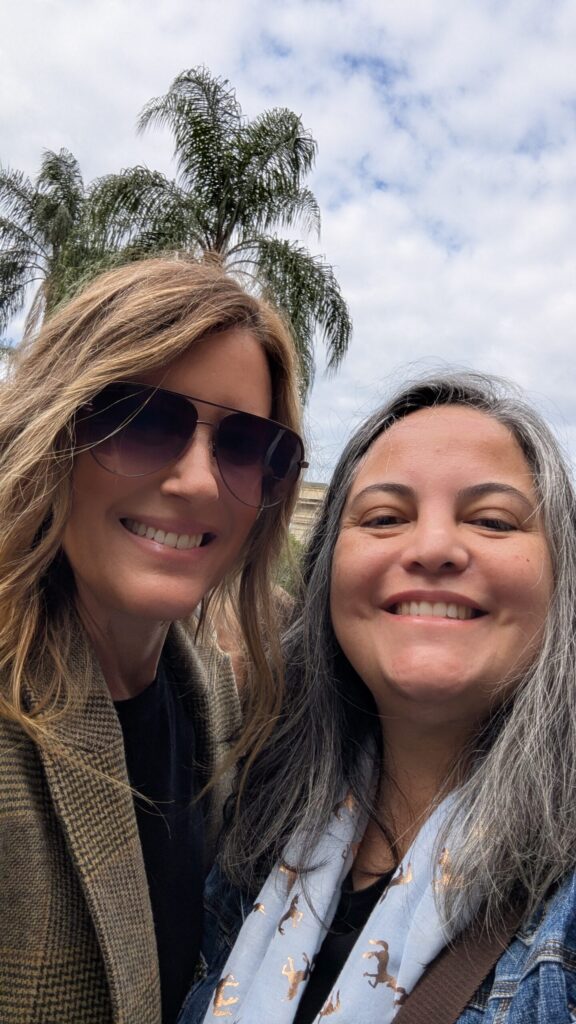
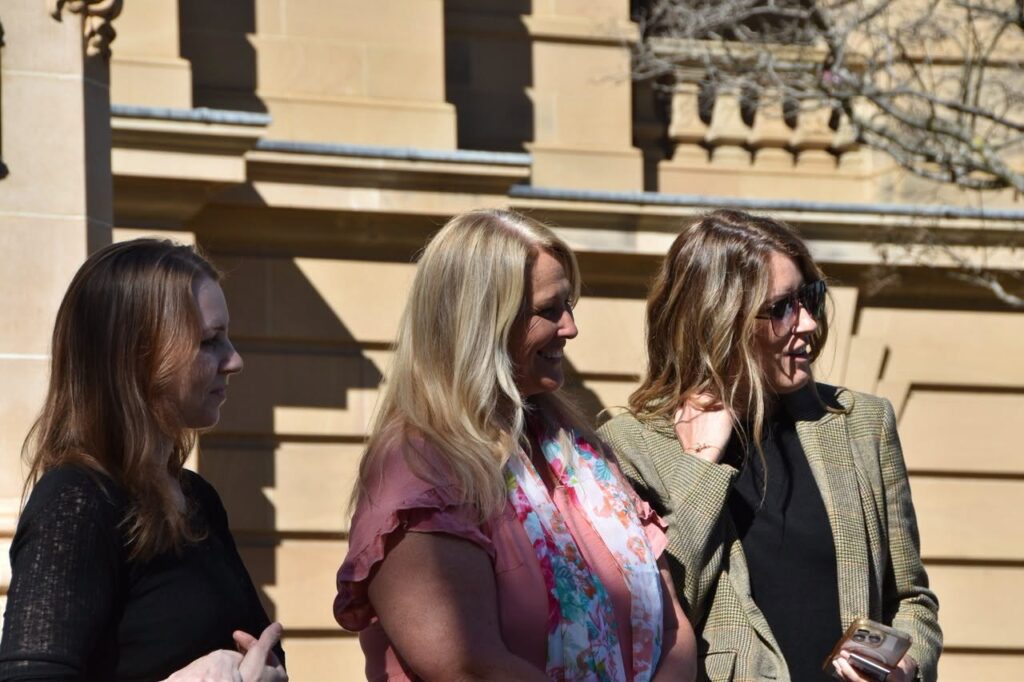
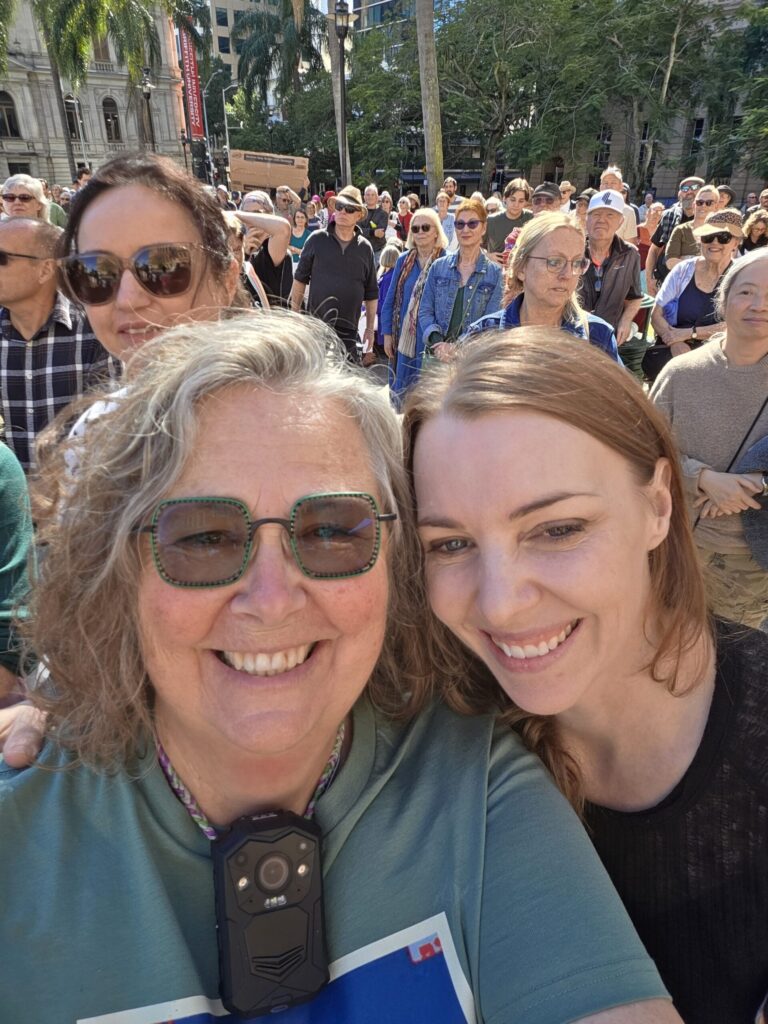
For me, one of the highlights of the day was meeting fellow advocates from around Australia. It was encouraging to connect with women and men who have dedicated countless hours to defending women’s rights, safeguarding children, protecting freedom of speech, and advocating for reality-based laws and policies. I was also pleased to meet many of the speakers and thank them personally for their work.
Sall Grover: Defending Reality and Women’s Spaces
Businesswoman and women’s rights advocate Sall Grover spoke directly about biological reality and the right of women to maintain single-sex spaces without fear of punishment.
She told the crowd:
“You may be able to use bad muddled legislation to convince a court that a man is a woman, but it doesn’t make him one and it sure as shit doesn’t make me believe it.”
Grover argued that recognising biological sex is a basic human instinct and that people should be free to acknowledge this reality without being compelled to deny it. She warned:
“If the state can force you to accept men as women, they can force you to accept anything. Don’t let them.”
At its core, she said, her legal battle is about whether women are still entitled to genuine single-sex spaces under Australian law.
Kirralie Smith: Refusing to Be Compelled to Lie
Women’s rights campaigner Kirralie Smith spoke candidly about the personal and financial cost of defending women’s sport and speaking openly about biological sex. Despite facing legal proceedings and significant penalties, she was clear about where she stands:
“I refused to use wrong sex pronouns. I will never be compelled to lie.”
Smith argued that society has become reluctant to set reasonable boundaries and that saying “no” is sometimes necessary to protect women and girls.
One of the strongest moments of her speech came when she declared:
“Men are not women. Those men know they’re not women. That’s why we need the police here to stop the angry men who want to be called us.”
She concluded with a direct challenge to the crowd:
“Not enough of being told ‘No’. If they were told no more often we wouldn’t be in this mess. And so we’re here today to say, no — and we’re all saying no.”
Dr Jillian Spencer: Speaking Up for Children
Child and adolescent psychiatrist Dr Jillian Spencer focused on child safeguarding and what she described as a medical scandal unfolding in gender medicine.
She spoke about the pressures placed on clinicians to affirm children’s stated gender identities and adopt preferred pronouns even when doing so conflicts with their professional judgement. She also described the personal and professional consequences faced by healthcare workers who publicly question current approaches.
Dr Spencer raised concerns about what she sees as ideological influence within Australia’s medical regulatory bodies, telling the crowd:
“AHPRA is signed up to two LGBTIQA+ programs: the Rainbow Tick scheme and ACON’s Pride in Diversity scheme. These programs mean that AHPRA is embedding LGBTIQA+ ideology at all levels of its organisation.”
She was equally direct about the ethical obligations of medical professionals:
“In the face of a medical scandal there is no honour in keeping quiet. There is no honour in keeping your job if your job involves harming children.”
Dr Spencer also raised concerns about restrictions on scientific and professional debate:
“When we apply to present in conferences, we are declined. When we write journal articles on this topic, they are rejected. Professional debate on this issue has been silenced within the profession.”
As she left the stage, Dr Spencer raised a victory sign in reference to an anticipated development regarding her employment at Queensland Children’s Hospital, drawing warm applause and encouragement from the crowd.
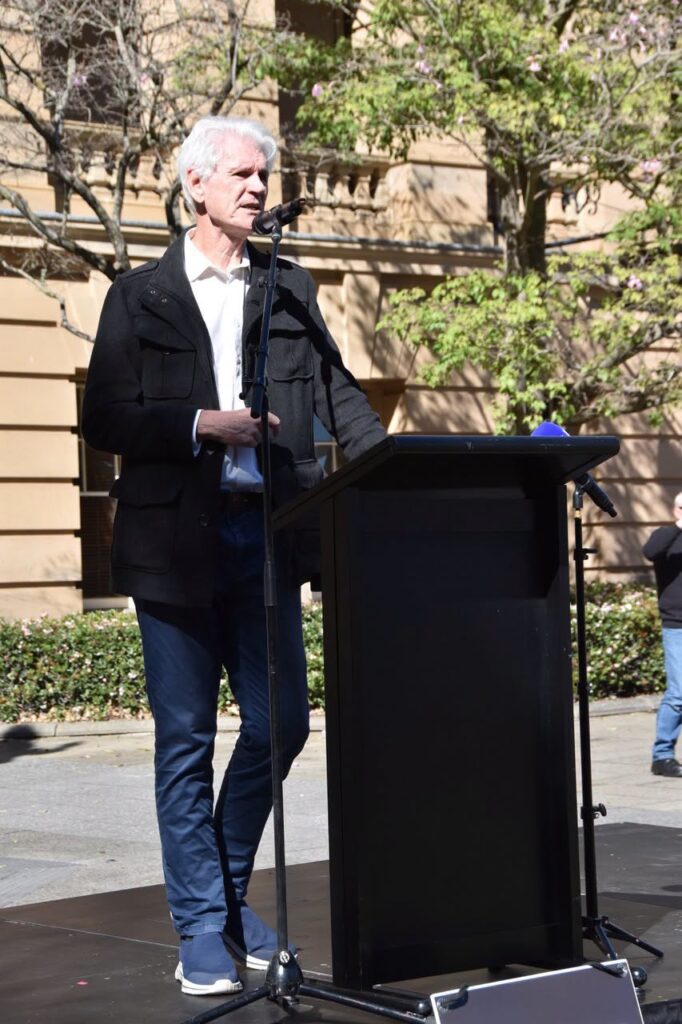
Drew Hutton: Defending Free Speech and Democratic Debate
Drew Hutton, co-founder of the Australian Greens, spoke about what he described as growing threats to free speech and open debate in Australia.
Drawing on his own political history, Hutton explained that his concerns about free speech did not come from traditional political opponents, but from within the political movement he helped establish. He described how he had faced conflict within the Greens after refusing to remove comments made by gender-critical contributors from online discussions.
Hutton told the crowd that when he helped establish the Greens, freedom of speech was considered fundamental to the party’s values. He said he refused demands to delete comments and was subsequently expelled from the party.
He argued that freedom must exist alongside reasonable boundaries, but warned that democracy cannot function without the ability to openly debate ideas.
“You can’t have freedom without boundaries, and you can’t have democracy without free speech.”
Hutton said that both freedom and democracy are under pressure when people are prevented from questioning ideas or participating in debate.
He praised the courage of women who have continued advocating for women’s rights despite personal attacks, professional consequences, and social exclusion. He specifically acknowledged Sall Grover, Dr Jillian Spencer, Kirralie Smith, and Jasmine Sussex who have continued speaking publicly despite significant challenges.
Hutton emphasised that courage alone is not enough and argued that strategic political action is also required. He encouraged attendees to join organisations, maintain networks, share information, support one another, and engage with the political process. In highlighting the importance of grassroots activism, he gave a special acknowledgement to Women Speak Tasmania and other women’s rights organisations working to build support and connections across Australia.
Hutton urged campaigners to build political pressure by engaging with politicians, particularly in marginal electorates, and making clear that support for reforming the Sex Discrimination Act would influence voting decisions.
He concluded by arguing that ordinary Australians must continue to participate in democracy and advocate for change:
“We’re going to take this to the people.”
Senator Malcolm Roberts: Celebrating Women and Biological Reality
Senator Malcolm Roberts brought a broader perspective to the rally, arguing that defending women’s rights begins with recognising biological reality and respecting the unique contributions of both sexes.
Rejecting the notion that acknowledging sex differences implies inequality, he told attendees:
“Neither is superior, neither is inferior. Both are complementary.”
He paid tribute to the importance of women in society and in his own life, saying:
“The highest job of our species? Mothering. Only mothers can carry and develop a baby in the womb. Only a woman can birth a new human, breastfeed, nurture as a mother. I cannot be a mother. Full stop.”
His remarks highlighted the importance of recognising biological differences while valuing the dignity and contribution of both women and men.
Senator Michaelia Cash: A Message of Support from Parliament
The rally concluded with a message from Senator the Honourable Michaelia Cash, which was read to attendees by the organisers. Although Senator Cash was unable to attend in person, she expressed her support for those gathered and reaffirmed her commitment to legislative reform.
In her message, Senator Cash said:
“I stand with you. The Coalition stands with you and we are not giving up on this fight.”
She highlighted the importance of providing certainty for women and girls, particularly in situations where they are vulnerable, including refuges, change rooms, hospitals, and sporting competitions.
Senator Cash argued that the Giggle v Tickle case demonstrated the confusion created by the current interpretation of sex discrimination law and that women deserve clarity and certainty in relation to single-sex spaces.
She referred to her proposed legislation, which sought to amend the Sex Discrimination Act by restoring a biological definition of sex and providing clearer legal protections for women-only spaces and services.
Senator Cash criticised the Senate’s rejection of the legislation, arguing that women should not have to rely on lengthy legal battles and tribunal decisions to determine whether their spaces and protections are lawful.
She concluded with a message of encouragement to those attending:
“Do not stop, do not go quiet. Keep making your voices heard in the media, in your communities and at the ballot box.”
Senator Cash ended by assuring attendees that the issue would remain part of the political conversation.
Following the speeches, organisers invited the speakers onto the stage and presented them with the Terfa Australis Award, recognising their advocacy and contribution to the defence of women’s rights in Australia.
The event concluded with appreciation for all speakers, volunteers, and attendees who had travelled from across Australia to participate.
Counter-Protest
A large counter-protest was held earlier in the day at King George Square under the banner “Hands Off the Anti-Discrimination Act! Protect Trans Rights.” Organised by transgender activist groups and supported by a range of political activists, including socialist organisations, the protest attracted a significant crowd before marching through Brisbane’s CBD.
The counter-protest had originally been promoted as a response to the planned appearance of Senator Pauline Hanson. However, Senator Hanson was unable to attend due to overseas commitments and was replaced by Senator Malcolm Roberts.
While many participants exercised their right to peaceful protest, some banners and slogans were openly hostile towards speakers and attendees at the women’s rights rally. A number of activists wore masks and carried flags representing socialist and communist organisations.
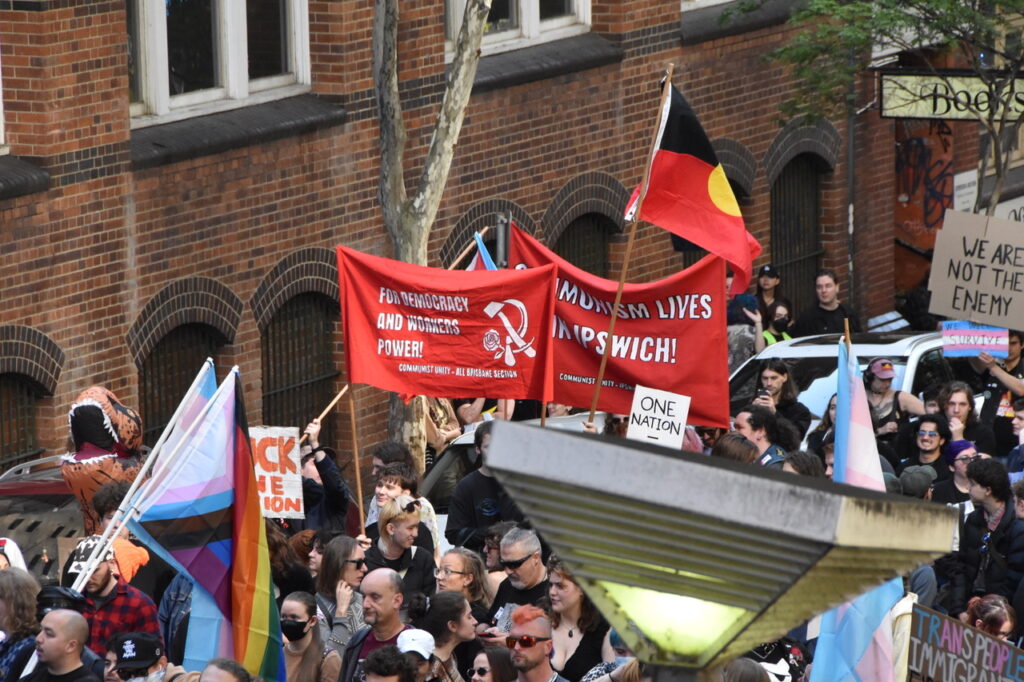
Despite the noise from the march, Queensland Police maintained a strong presence throughout the day and successfully kept the two groups separated. As a result, the rally in Queens Gardens proceeded peacefully and without incident.
A Growing Movement
What stood out most was the strong sense of solidarity among those who attended. Many people shared stories of speaking up in workplaces, schools, sporting clubs, universities, and professional settings. Others spoke about the challenges of raising concerns regarding women’s spaces, child safeguarding, and freedom of expression.
While attendees came from a range of backgrounds and political perspectives, they were united by a common belief: that women and girls deserve legal protections based on biological sex.
Long-term campaigners reflected on how much the movement has grown. Similar Brisbane rallies only a few years ago attracted a few dozen people. The hundreds who gathered in Queens Gardens this year demonstrated that increasing numbers of Australians are prepared to publicly defend sex-based rights and call for legislative reform.
As the rally concluded, the message was clear: women’s rights matter, biological reality matters, and a growing number of Australians are committed to protecting both for future generations.
Photo Gallery